"Grayson Perry: Who Are You?" is a show presented by artist Grayson Perry as he looks at what he describes as 'Modern Tribes' meaning small groups of people that wouldn't normally be described as a tribe. He met with various 'Tribes' and individuals;
Ex-MP Chris Huhne, Rylan Clark from X-Factor, a Muslim convert, a young transgender man, the Jesus Army, a white gay couple with a mixed-race son, a couple living with Alzheimer's, a group of Irish Loyalists, a group of 'Big Beautiful Women', and the Culture of Deaf people.
He tries to represent these people as best he can through small meetings and sketching sessions in an attempt to capture their own personal identities as individuals, and as their 'tribes'.
Grayson Perry asks various questions to his subjects about various things to do with how they view themselves and how they see their own personal identity, this helps him to get a clear understanding of his subject, and produce a piece of art that through image and medium produces a portrait.
I thought that the portraits were very well produced and thought out, and accurately depicted the Modern Tribes that these people belong to.
Showing posts with label Illustration. Show all posts
Showing posts with label Illustration. Show all posts
Friday, 3 April 2015

The Golden Age of Illustration
Lecture Notes
Illustration became a job/trade in the late 19th Century.
Back to ancient times- cave paintings, ancient Rome, India etc.,
18th Century - use of satyr came to be, people started using own voice
"The Golden Age of Illustration was a period of unprecedented excellence in book and magazine illustration. It developed from advances in technology permitting accurate and inexpensive reproduction of art, combined with a voracious public demand for new graphic art.
Illustration became a job/trade in the late 19th Century.
Back to ancient times- cave paintings, ancient Rome, India etc.,
Medieval people 'illustrated' the bible.
18th Century - use of satyr came to be, people started using own voice
19th Century became a recognised trade, more people could read, higher demand for books.
Books aimed at the working class (ladybird books) had lots of picture because they still weren't so good at reading.
Artists more frequently commissioned to illustrate books, illustration became recognised as a trade.
1880-1920 book publishing exploded, libraries very popular which helped grow interest in different genres
New techniques in printing and other technologies. helped grow the trade.
'Aesthetic Movement'- group of rich men, love of 'beautiful things, collected art. (Oscar Wilde)
Children's books became popular, taught kids to read.
Lots of books released about 'good taste', home furnishings, fashion etc.
Illustration followed trends in art.
By 1890 illustration was huge, accepted as true art.
End of 19th century trade routes with Japan re opened, influenced illustration heavily.
Interest in Japonisme
Influence seen in Art Nouveau, big blocks of colour, borders around work.
Alphonce Mucha, Henri Toulouse Latrec, Henri Riviere.
Riviere's '36 views of the Eiffel Tower' directly influenced by Hokusai's '36 Views of Mount Fuji.'
Japanese thought prints were old and dated, they wrapped up items with them to trade, prints became
popular in the west.
Aubrey Beardsley's work quite shocking, influenced by Japan, his work made fun of western attitudes to sex.
Illustration also becoming popular in continental Europe.
Japanese work heavily influenced Art Nouveau movement.
Christmas illustration became huge, people started giving cards etc.
People were spending more and more money on Christmas.
Fantasy illustration became popular in kids books etc. less realism being used.
"The Golden Age of Illustration was a period of unprecedented excellence in book and magazine illustration. It developed from advances in technology permitting accurate and inexpensive reproduction of art, combined with a voracious public demand for new graphic art.
The American "golden age of illustration" lasted from the 1880s until shortly after World War I (although the active career of several later "golden age" illustrators went on for another few decades). As in Europe a few decades earlier, newspapers, mass market magazines, and illustrated books had become the dominant media of public consumption. Improvements in printing technology freed illustrators to experiment with color and new rendering techniques. A small group of illustrators in this time became rich and famous. The imagery they created was a portrait of American aspirations of the time."
http://www.rafoxsociety.com/what-was-the-golden-age-of-illustration/
2012 •The R. Atkinson Fox Society
http://www.rafoxsociety.com/what-was-the-golden-age-of-illustration/
2012 •The R. Atkinson Fox Society
Friday, 16 January 2015
Illustration as Object: Fredun Shapur
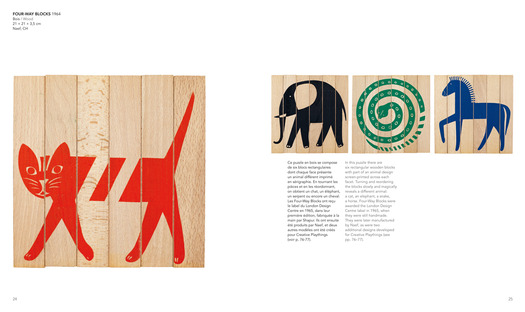
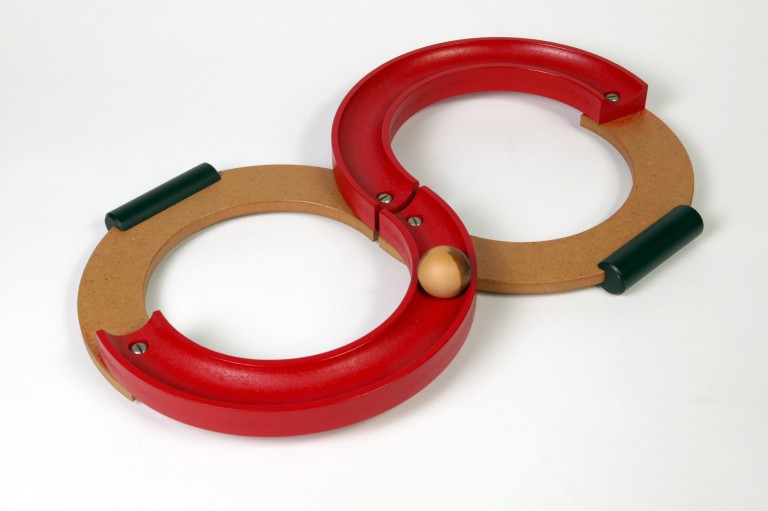
Fredun Shapur was a Graphic Designer, he was very good at transforming his illustrations into fun interactive objects, they are very stylish toys, and would easily work as collectibles, or learning toys for young children and toddlers.
"In recent years, designs for children by modern masters like Bruno Munari, Charles and Ray Eames and Alexander Girard have been brought forward, their diminutive audience seen not as undermining but attractive. We should add Fredun Shapur to that pantheon of designers of winning and sculptural objects for children. Shapur’s work was produced by an international array of manufacturers, including Naef, Trendon, Galt Toys, Fischerform and Selecta, but he is best known for transforming Creative Playthings’ logo, packaging and products."


Subscribe to:
Posts (Atom)